
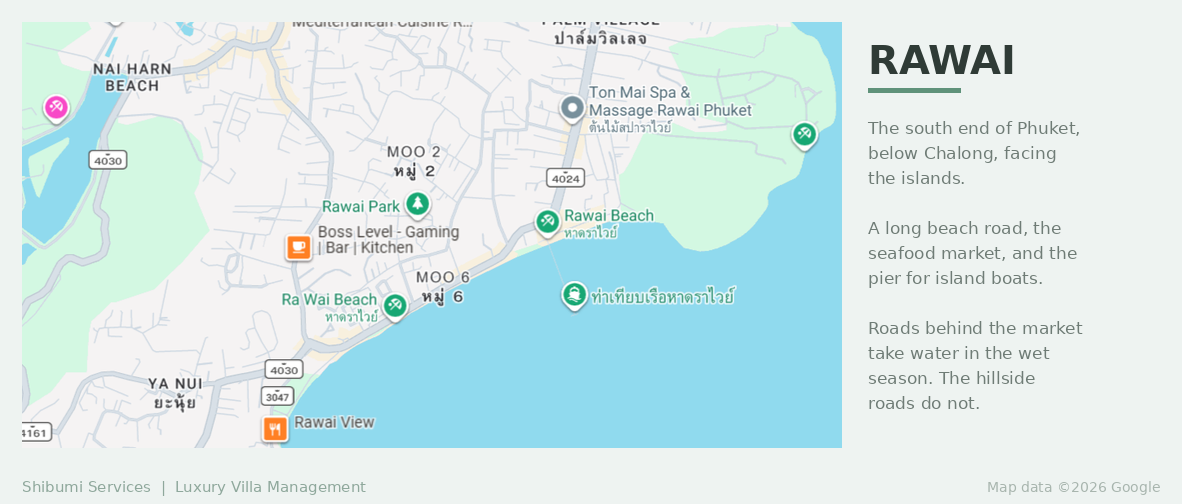
Rawai sits at the southern end of Phuket, sixteen kilometers south of Phuket Town and forty six kilometers from the airport. From the airport it takes around an hour, depending on traffic. There is no public transport to Rawai at all, so a car, a scooter or a taxi is the only way in and out, and the route runs south on Chao Fa West Road through Chalong Circle.
The beach itself is shallow and rocky, and at low tide mudflats and rocks are exposed. For swimming, Nai Harn is two kilometers away and Ya Nui two kilometers in the other direction, both short drives.
The Market, the Restaurants and the Boats
Driving south past Chalong brings you to Rawai Pier, and along the beach road locals anchor dozens of longtail boats and speedboats.
At the seafood market, buyers take fish, lobster and crab straight from the fishermen and carry them to the restaurants alongside to be cooked. Salaloy Seafood is listed in the Michelin Guide. Nikita’s Beach Restaurant has traded for over twenty years.
Rawai is one of the main departure points for longtail boats to Koh Bon, Coral Island and the Racha Islands. Coral Island is fifteen minutes out.
Who Is Already There
Rawai holds the largest concentration of Phuket’s long term expatriate community. The seafront carries a line of bars across the bay with no cover charges and local prices, and a crowd that includes many residents of ten years or more who know each other by name. After nine in the evening most of them go to Chalong.
The area has changed considerably in recent years. It now holds many bars, convenience shops, massage places, fitness clubs and a few hotels, while several of the local restaurants by the sea remain. Also in Rawai are AKA Thailand, a combat sports resort, LeSpa at nine hundred square meters with seventeen treatment rooms, the Rawai Park Kids Club, and Phuket Art Village, a group of small galleries.
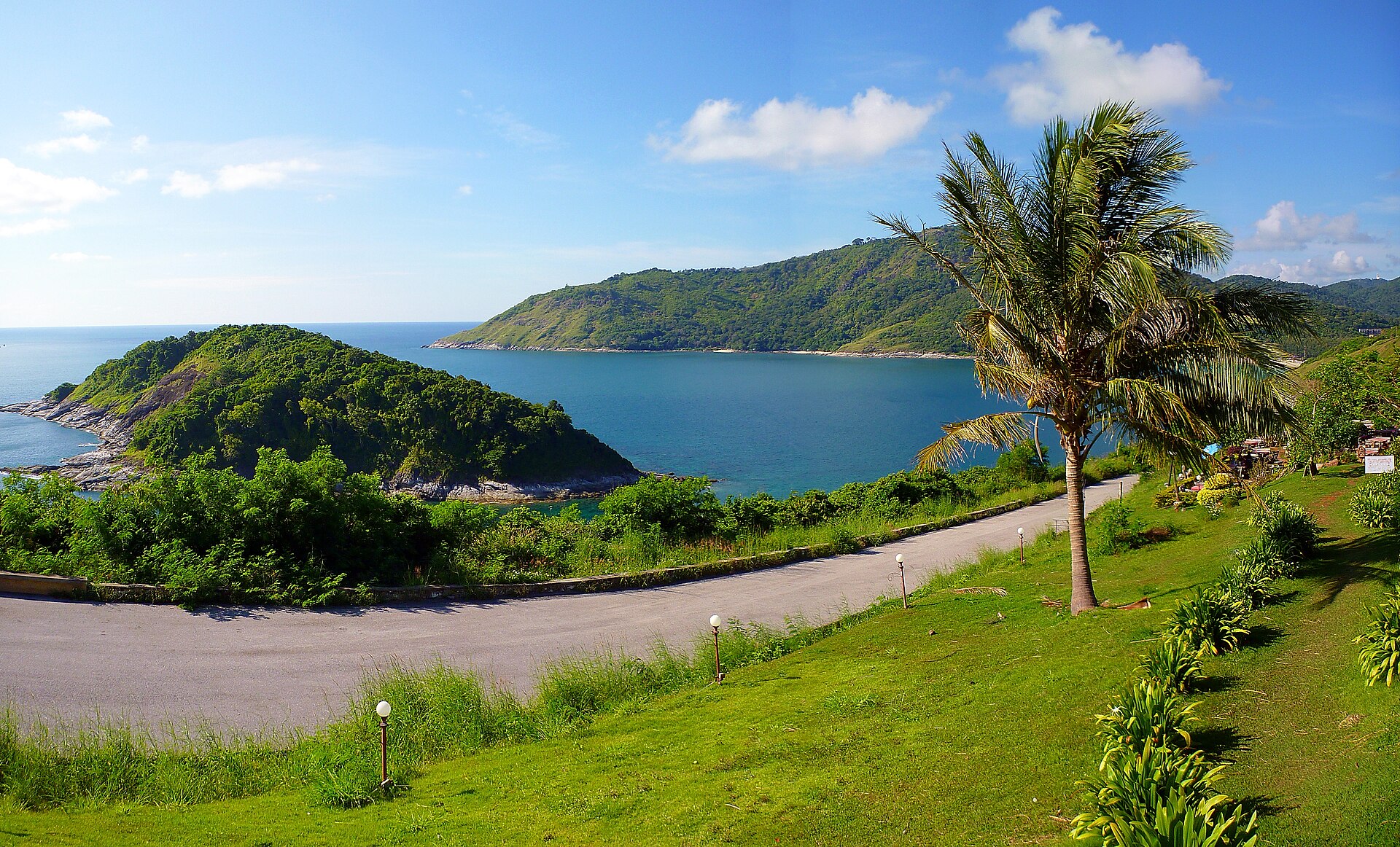
The Windmill Viewpoint is two kilometers east, looking over Ya Nui and Nai Harn. Promthep Cape, known for its sunsets framed by sugar palm trees, is familiar enough to appear on Phuket vehicle plates.
Where the Water Goes
Flooding on Phuket is decided by where water comes off the hills and whether the drains can take it, and it changes street by street rather than district by district. Rawai carries a moderate rating, and the split inside it matters: some roads behind the market take water in the wet season, while the hillside roads generally stay clear.
Elevation settles it. Below four to five meters above sea level on flat ground the exposure rises, and in Rawai the difference between a house at two meters and a house at fifteen is the difference between annual flooding and none at all. We establish the elevation of a villa and where its drainage actually discharges before we set its maintenance calendar.
The hillside carries its own trade. Ground that sheds water well is ground that can move, and the Rawai hillsides are named among those where landslide risk replaces flood risk. Slopes, retaining walls and drainage are watched rather than assumed.
When roads do go under, most of it clears within an hour or two of the rain stopping, and Route 402 and the inland road through Thalang usually stay open when the coast roads do not.
Water Supply
Rawai appears on the water authority’s list of heavily populated zones where short term fixes have been described as inadequate, alongside Patong, Kamala, Karon, Chalong, Wichit and Ratsada. Rationing has been applied along Saiyuan Road in Rawai.
Storage capacity, pump condition and the state of the tanks are part of what we inspect, and they matter more here than the brochure suggests.
What the Sea Air Does to the Building
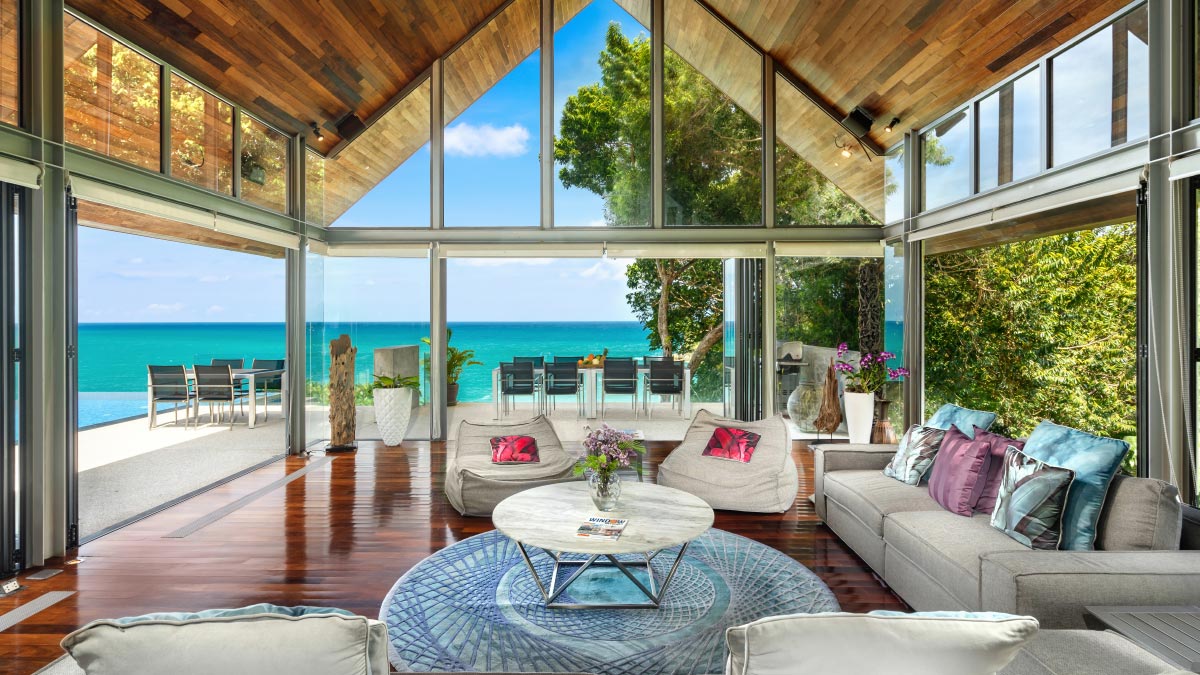
Salt reaches fittings, hinges, railings, outdoor lighting and air conditioning condensers. Humidity works steadily on timber, fabric and paint. The southwest monsoon runs May to October, heaviest in September and October, and tests every roof, seal and drain once a year.
How We Run a Villa in Rawai
Maintenance is scheduled rather than reactive. Exposed metalwork inspected for corrosion, air conditioning serviced before it fails, sealing and drainage attended to ahead of the rains, and pools, gardens and finishes kept up through the year.
Senior management inspects every villa in person at least monthly. Trained on site staff handle the daily work, so a problem is usually found by someone who works there rather than reported by a guest.
Owners are sent accounts they can actually read, with the receipts attached and the rental income reported as it was earned rather than projected.
Request a Villa Assessment
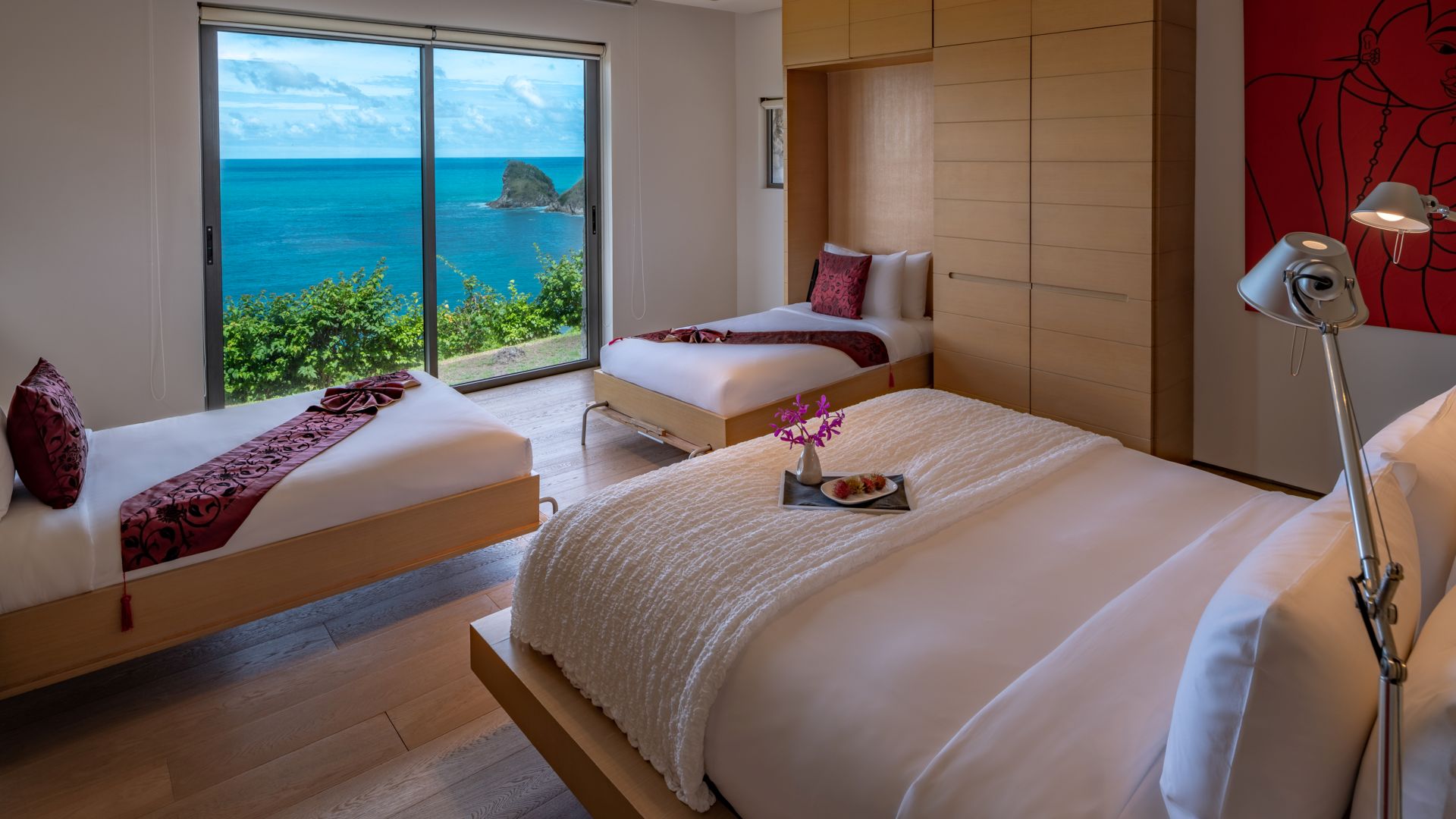
We offer a complimentary villa performance review and the opportunity to present to you exactly how Shibumi would help you maximize the value you get from your Rawai property. Call +66 63 954 9144 or write to info@shibumithailand.com.